#CherishAnAntique
Visit an art museum for a look at the world's antiques, or a flea market to pick up some of your own!
What Does #CherishAnAntique Mean?
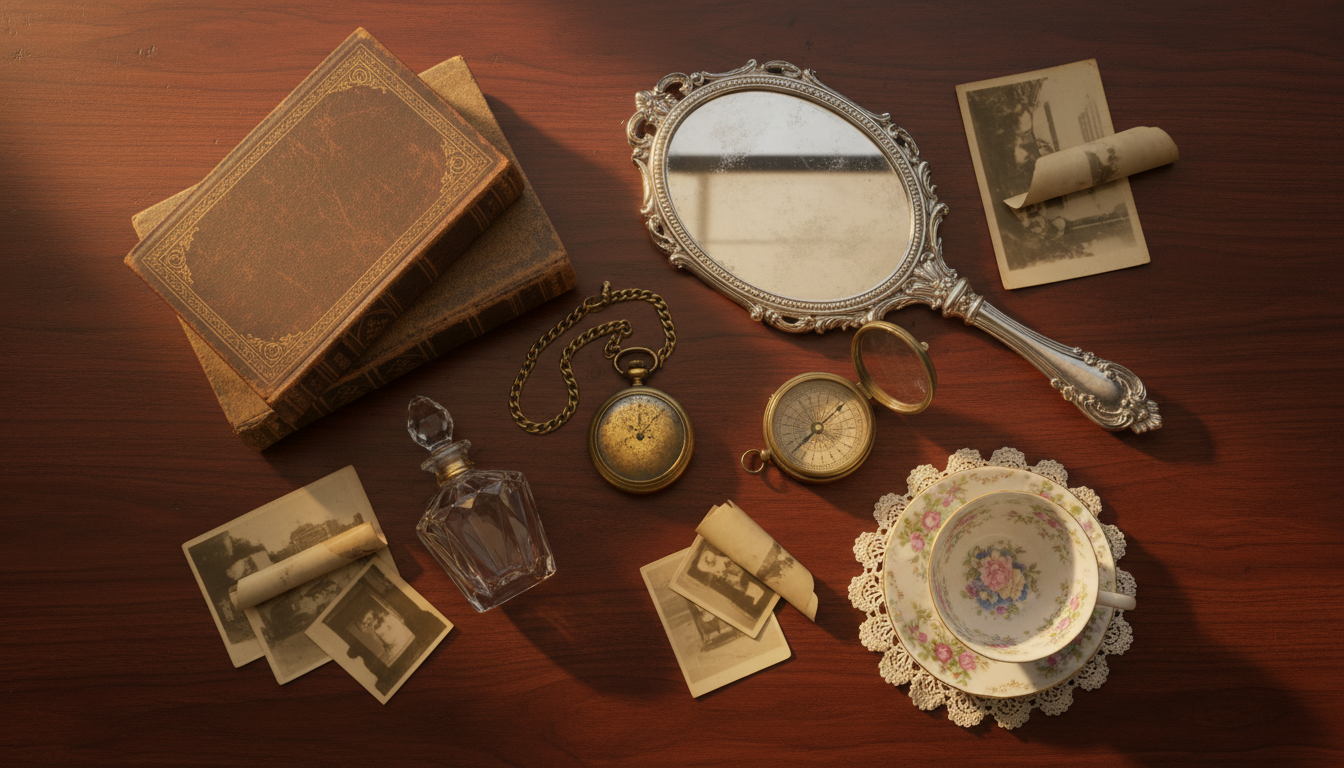
National Cherish an Antique Day on April 9th encourages people to appreciate the beauty and history of antique objects. Whether it's a family heirloom, a vintage find from a flea market, or a piece in a museum, antiques connect us to the past. The day celebrates craftsmanship from eras when things were built to last.
How to Use #CherishAnAntique
Share a photo of your favorite antique or vintage item and tell the story behind it. Visit an antique shop or flea market and document the experience. Ask followers to share their coolest antique finds.
What Is National Cherish an Antique Day?
National Cherish an Antique Day falls on April 9th, and it is a reminder to slow down and appreciate the objects that outlasted the people who made them. An antique is generally defined as something at least 100 years old, though the word gets used loosely for anything that feels like it belongs to another era. The day encourages you to look at old things - a grandmother's pocket watch, a cast iron skillet from the 1920s, a hand-carved rocking chair - and recognize the craftsmanship, history, and human story baked into each one.
This is not just about monetary value. Some of the most cherished antiques are worth almost nothing at auction but carry enormous personal significance. A chipped teacup from a great-aunt's kitchen can hold more meaning than a museum-quality Chippendale desk.
What Counts as an Antique?
The US Customs and Border Protection agency uses the 100-year threshold as the official definition for duty-free import purposes. That rule dates back to the Smoot-Hawley Tariff Act of 1930, which exempted items made before 1830 from import taxes. The cutoff has rolled forward with time, so today anything manufactured before 1926 qualifies.
But the antiques world has its own informal hierarchy. Vintage typically covers items 20 to 99 years old. Retro usually refers to items that mimic older styles but were made more recently. Collectible is the broadest category - it just means somebody wants it. These distinctions matter at estate sales and auction houses, where the label directly affects pricing. A genuine 1870s Eastlake parlor table commands a very different price than a 1970s reproduction, even if they look similar to an untrained eye.
Some categories have their own dating standards. The Antique Automobile Club of America considers any vehicle over 25 years old an antique, which means a 2001 Honda Civic technically qualifies now. Firearms, musical instruments, and books each have their own conventions too.
Why Old Things Were Built Differently
One reason antiques inspire such reverence is that many of them were made using techniques that have essentially vanished. Before industrialization, a piece of furniture was not assembled - it was built by a single craftsperson or a small workshop over weeks or months. Joinery techniques like dovetail, mortise and tenon, and tongue and groove created connections that could hold for centuries without glue or nails.
Consider a Windsor chair from the 1780s. The legs were turned on a foot-powered lathe. The seat was carved from a single plank of pine or poplar using hand tools - an adze to rough it out, then spokeshaves and scrapers for the scooped seat. The spindles were riven (split along the grain, not sawn), which made them stronger than any machine-cut equivalent. A well-made Windsor chair from that period can still support a person's weight 240 years later.
This built-to-last quality was not always intentional in the way we romanticize it. Craftspeople used durable methods partly because replacing things was expensive and inconvenient. But the result was objects with a longevity that modern mass production rarely attempts. Your IKEA bookshelf is designed for a lifespan of maybe ten years. A Shaker bookshelf from the 1840s is still standing.
The Antiques Market Today
The antiques trade has shifted dramatically in the last two decades. Traditional antique malls and auction houses have been supplemented - and sometimes replaced - by online platforms. eBay transformed the market starting in the late 1990s by making it possible to compare prices across the entire country instantly. Before eBay, a rare piece of Depression glass in a small-town shop might sell for $5 because neither the seller nor buyer knew its real market value. Online listings closed that information gap almost overnight.
More recently, platforms like Chairish, 1stDibs, and Ruby Lane have created curated online spaces for higher-end antiques and vintage items. Instagram has become a surprisingly powerful sales channel for antique dealers, with hashtags like #antiquefinds and #vintagedecor driving traffic to small businesses that would have been invisible a generation ago.
One notable trend is the "brown furniture" problem. Heavy Victorian and Colonial Revival furniture - dark wood dressers, formal dining sets, ornate sideboards - has fallen out of fashion with younger buyers who prefer mid-century modern or Scandinavian aesthetics. Dealers report that pieces which sold for thousands in the 1990s now struggle to find buyers at a fraction of the price. It is a reminder that the antiques market, like all markets, follows taste.
How to Celebrate on Social Media
The best content for this day tells a story. Do not just photograph an old object - share who owned it, where it came from, and why it matters to you. People connect with the narrative behind the thing, not just the thing itself. A photo of a brass compass is nice. A photo of a brass compass your grandfather carried through World War II is compelling.
If you do not own any antiques, visit an antique shop or flea market and document the experience. The hunt itself makes great content - the dusty shelves, the unexpected finds, the conversations with dealers who know the history of every piece in their booth. Ask followers to share photos of their oldest possessions and the stories behind them. That kind of participatory content drives comments and saves.
Related Hashtags
If you enjoy celebrating history and nostalgia, check out these related hashtag pages: #MuseumSelfie, #HistoryThursday, #WorldHeritageDay, and #NationalThriftShopDay.
Quick Info
-
Hashtag#CherishAnAntique
-
When to PostApril 9th
-
Full GuideAvailable below
Related Hashtags
Find More Hashtags
Search across 830+ curated hashtags